At that point the roof must be replaced.
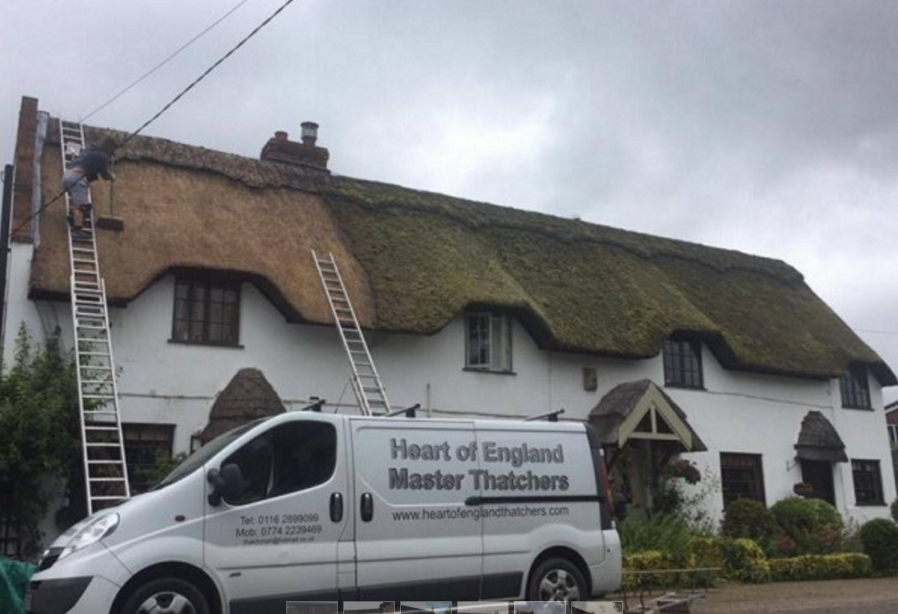
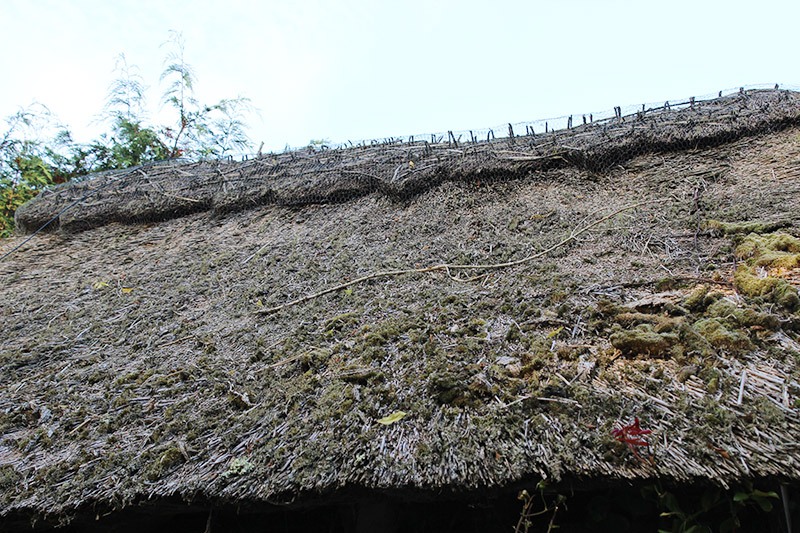
Getting rid of moss on thatched roof.
This process can take a good few weeks and is priced on the size of your property.
There are worldwide more 10 000 species of moss and some of these grow on thatched roofs.
De thatching the lawn will help get rid of the moss but there s still work to do after that.
When roof moss gets thick enough that it crowds out the shingles and creates decay there is no turning back.
Less easy but of far greater importance is the next step of removing the dead moss from the roof.
Disadvantages of a thatched roof.
Getting rid of animals.
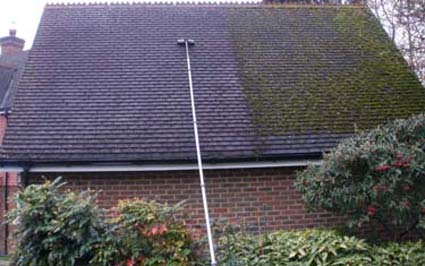
But there are easy ways to kill moss on your roof with either dry or wet applications.
Get some bare copper wire and run two strips the length of your roof.
Today the focus is on what you can do to prevent moss growth on your roof if you have an existing roof with a moss problem try zinc strips.
Carefully place a ladder near the area of moss growth and don slip resistant shoes old clothes rubber gloves and eye protection.
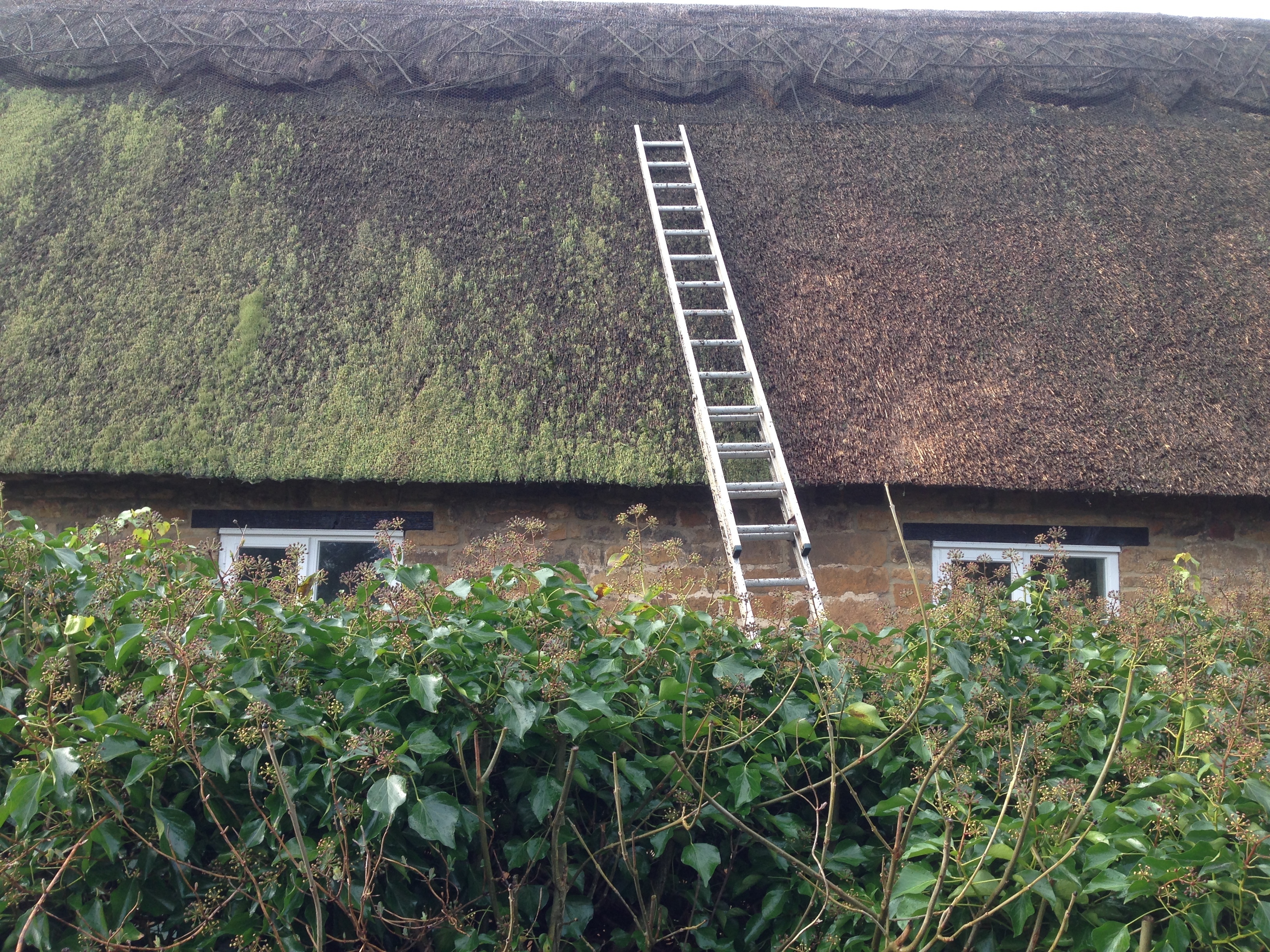
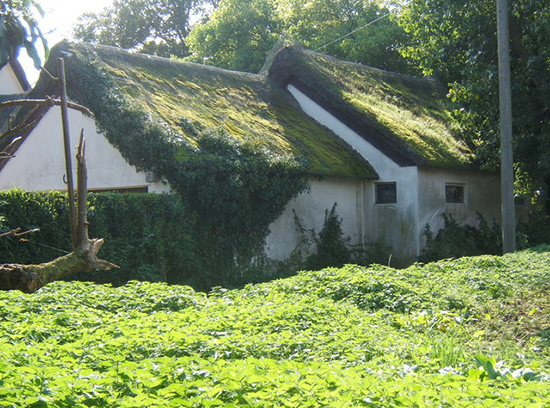
Most moss grows in moist dark areas thus making a thatched roof with a darker aspect ie overhung by trees a good environment.
It is impossible to say whether this is due in part to global warming but certainly milder winters and what i would call a more uniform climate especially in temperature terms throughout the year in the uk must have some bearing on the growth of moss and.
The thatch remains looking new for years which relieves you of the expenses of costly repairs controlling moss and algae growth on a thatched roof can add as many as 15 years to its lifespan by preventing the decomposition of thatching material.
Copper strips are supposed to work the same way.
Getting a thatched roof initially installed is a labour intensive process as is a full re thatch.
Many people also find the growth of moss on a thatched roof unsightly and it will attract birds to the roof which can cause additional problems.
An in depth look at roof moss and how to get rid of it.
Zinc everything you.
A thatcher will take into consideration the following.
Apart from a new ridge every 8 15 years if a thatch roof is well maintained then it can last for many many years and the killing and removal of moss and its spores will help with this long lifespan.
Hose off and brush all moss loose from your roof shingles.
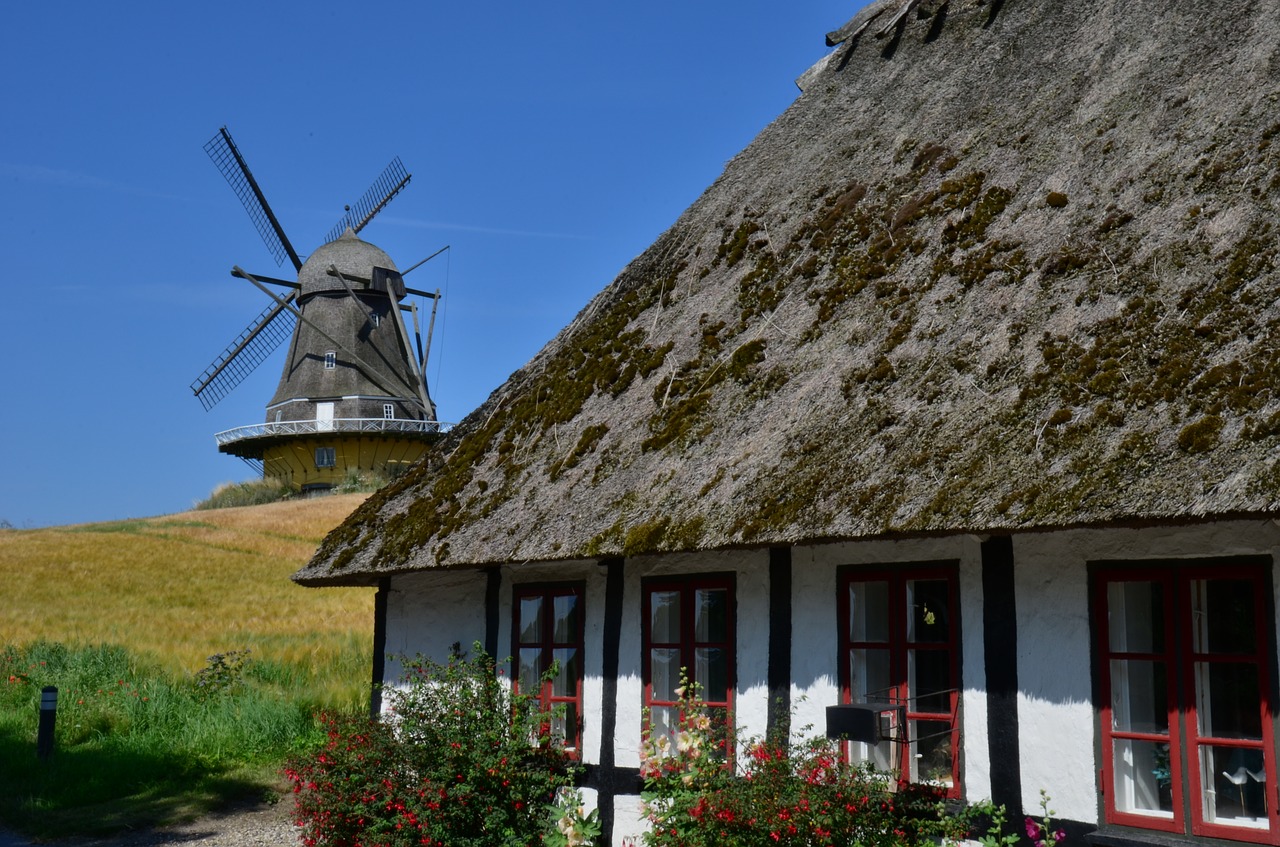
Increasingly or so it seems moss and lichen seem to be colouring the surface of thatched roofs especially on shaded north facing slopes.
The larger the property the higher the price is likely to be.
You also need to keep an eye out for gullies and make sure that the thatch roof is exposed to the sun and wind to prevent the buildup of moss and algae.
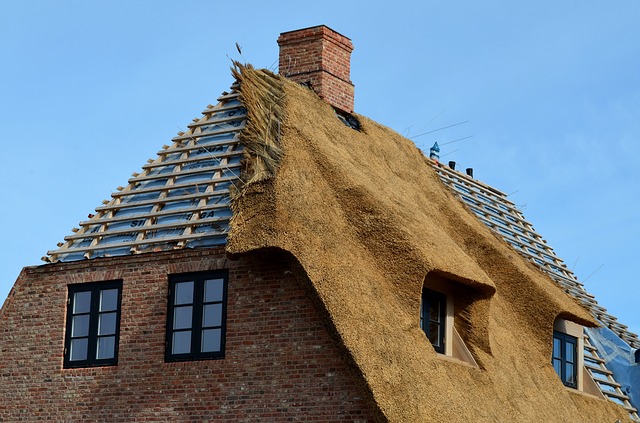
If you notice the roof looking shabby and its fixings are exposed it is a good sign that your roof has reached its lifeline and should be replaced or re thatched.